Volunteer in Thailand
Teach English in Sukhothai
No Degree Needed • Free Housing + Meals • Ages 18–60
Apply Now – Volunteer 2026 →🌍 Introduction to Volunteering in Thailand
Welcome to KET!
Ready to volunteer in Thailand and make a lasting impact in Sukhothai, a UNESCO World Heritage city? Our School Immersion program lets you teach English to kids, surrounded by ancient ruins and the sanuk spirit.
Why Sukhothai?
Deep local community connections away from tourist hotspots – authentic Thai culture in Thailand’s first capital.
Why Volunteer?
Create positive impact, personal growth, and explore a unique country with consistent tropical climate year-round.
📚 What You’ll Be Doing
Teach English to Kids
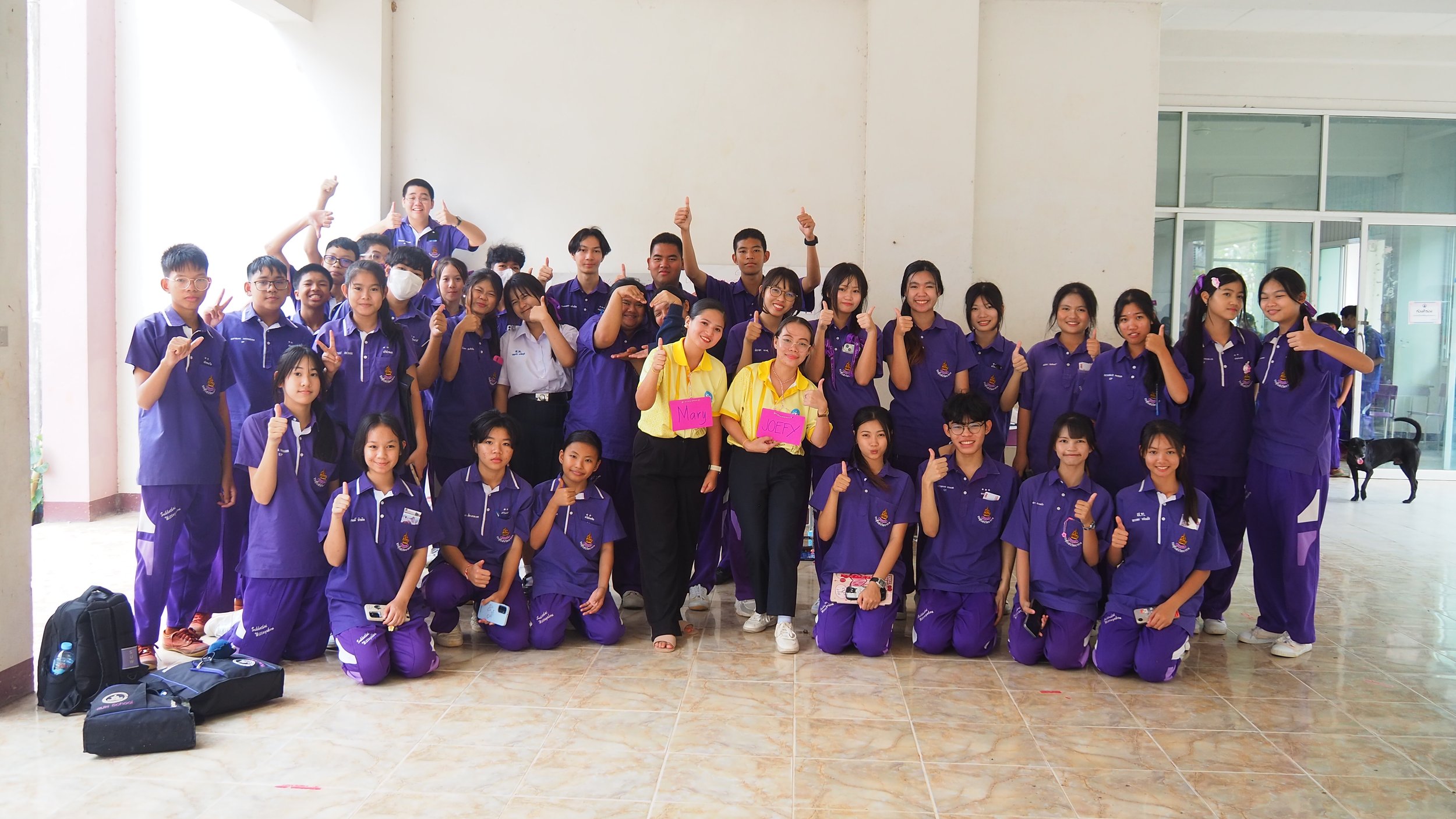
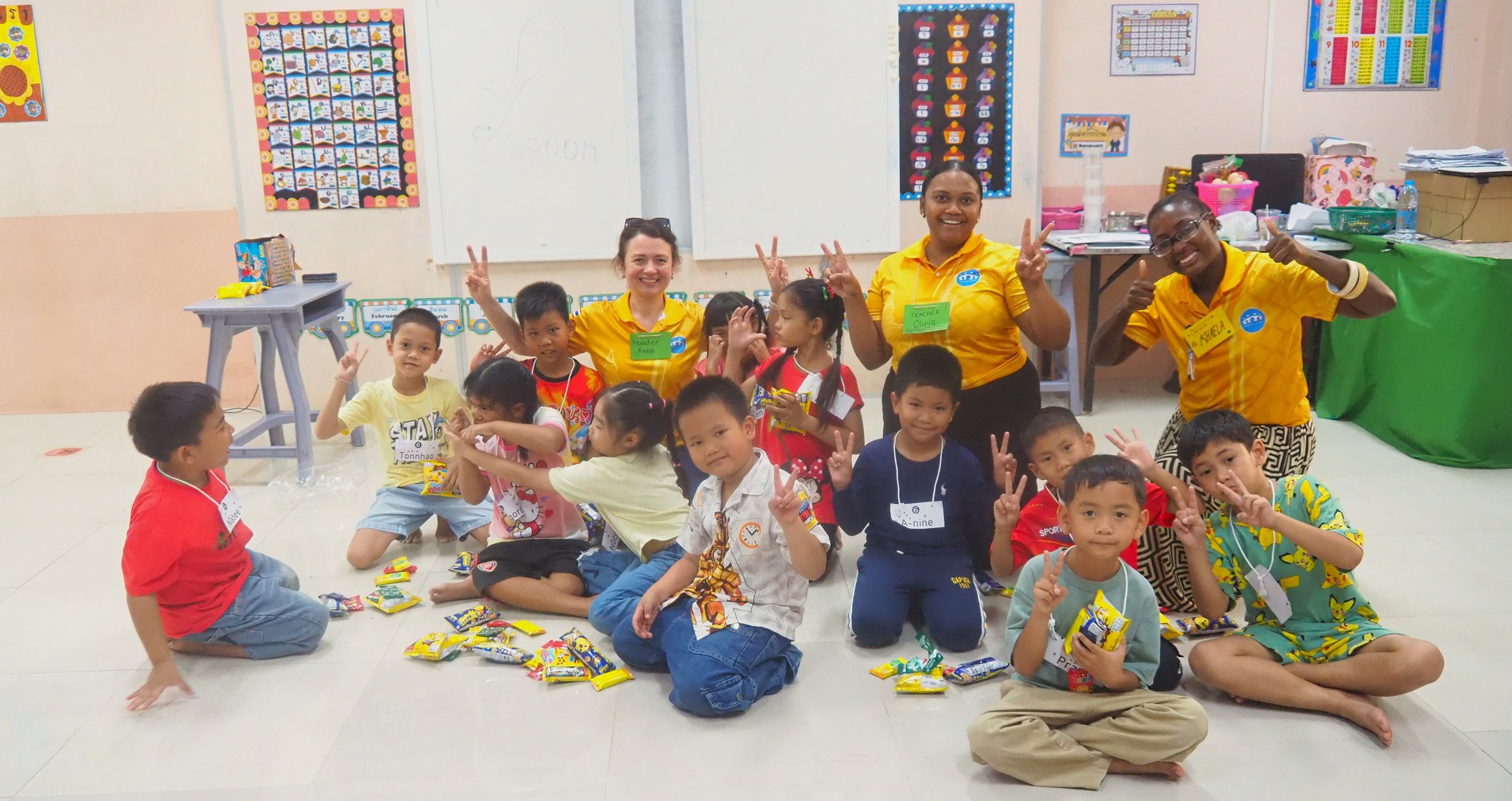
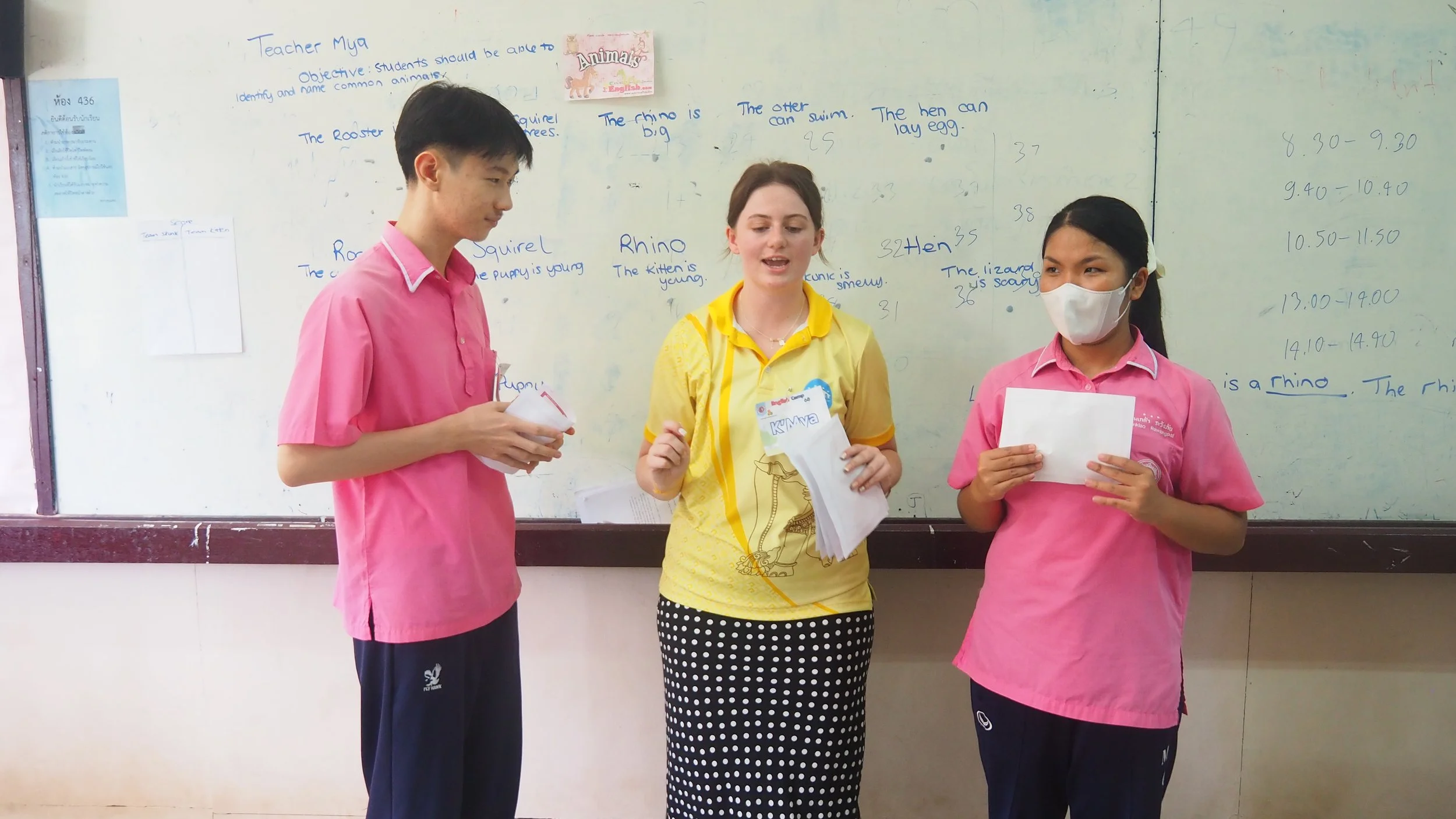
Step into local schools in Sukhothai to teach ages 3–12 – short walk from KET HQ.
No Experience Needed
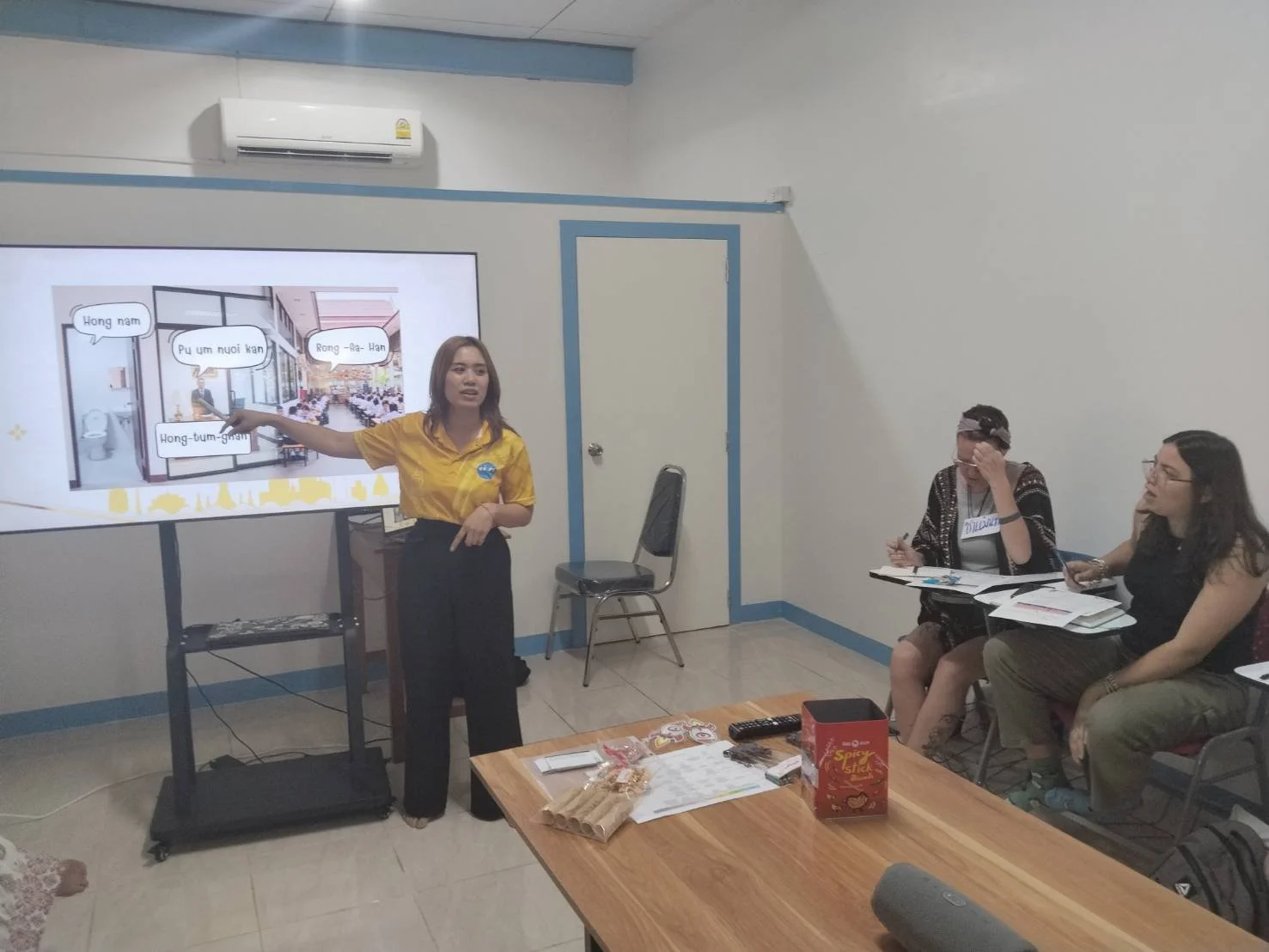
Our local team supports you – observed teaching under Thai teachers for a transformative practicum.
Empower Shy Locals
Help students gain confidence in English – vital for Thailand’s tourism industry.
💰 Program Fee and Perks
Affordable Fees
USD 300 (3 weeks) or USD 600 (6 weeks) – daily budget $13–$22.
Free Accommodation
Air-conditioned room with WiFi, private bathroom, cleaning included.
Thai SIM Card
Stay connected from day one.
🗿 Why Sukhothai?
UNESCO World Heritage
Thailand’s first capital – ancient temples, clean air, no traffic.
Authentic Experience
Deep cultural immersion away from tourist crowds.
Easy Access
Close to Chiang Mai, Pai, Bangkok for weekend trips.
☀️ What It’s Like to Volunteer in Sukhothai
Mornings
Lesson planning and teaching English.
Afternoons
Connecting with students or exploring Sukhothai.
Evenings
Relaxing with other volunteers.
❤️ Volunteer Testimonials
“Teaching English in Sukhothai was life-changing. The local community welcomed me, and I loved exploring hill tribe villages nearby.”
— Emma, Australia“The Thai culture and pad thai were unforgettable! My volunteer job helped kids and left me with lifelong memories.”
— Liam, USA“Volunteering with KET showed me the unique country of Thailand. Supporting stray dogs in the community was rewarding.”
— Sofia, Canada📖 More Volunteer Details
Volunteering in Thailand is open to all, from students to retirees. No experience needed for teaching English or community development. Specialized skills unlock wildlife conservation or medical roles. Join for personal growth, cultural exchange, and positive impact.
Your safety and success are priorities. Local team supports from arrival: orientation, 24/7 emergency help, check-ins, Thai culture guidance. Thrive in Sukhothai with rewarding community experience.
1. Pick Your Time: 3 weeks ($300) or 6 weeks ($600) – monthly starts 2025–2026.
2. Gear Up: Pre-departure guidance on visa, vaccinations, packing + Thai SIM card.
3. Land in Sukhothai: Settle into free accommodation, meet team.
4. Jump In: Start teaching English and connecting with community.
Thailand offers Chiang Mai energy, southern beaches, Koh Tao marine conservation. Sukhothai shines with authentic community impact – no pollution, deep immersion.
Can I do volunteer work in Thailand? Yes! School Immersion in Sukhothai focuses on teaching English and community development.
Can I volunteer abroad for free? Not entirely, but our $300–$600 fee includes free accommodation, keeping costs low ($13–$22 daily).
How do you socialize in Thailand? Connect with volunteers and locals – warm, calm interactions. Explore streets or events.
What are the volunteer opportunities? Diverse – teaching English, wildlife, marine conservation. Our focus: teaching & social welfare in Sukhothai.
What cultural customs should I know? Respect – no touching heads, no pointing with feet. Enjoy pad thai and sanuk spirit.
What are health & safety tips? Vaccinations, sunscreen, follow drug laws. We provide 24/7 support.
📚 Complete Guide to Volunteering in Thailand
Thailand offers international volunteers one of Southeast Asia’s most accessible and diverse landscapes for meaningful travel, combining genuine community impact with cultural immersion that transforms both visitors and local communities. Whether you’re drawn to teaching English in rural schools, caring for rescued elephants in northern Thailand’s mountains, or protecting sea turtles on tropical islands, volunteer projects throughout the country connect you directly with Thai culture and the people who shape it.
Volunteering in Thailand allows individuals to connect with local communities, immerse themselves in Thai culture, and make a positive impact through projects such as teaching English, animal welfare, and community development. This unique opportunity not only benefits local people but also provides volunteers with a memorable experience and a deeper understanding of Thai customs and traditions.
This guide covers everything you need to plan a volunteer trip to Thailand: the types of volunteer work available, where to find reputable programs, realistic costs and time commitments, visa requirements, and how to prepare for the cultural experience ahead. It’s written for gap-year students seeking purposeful travel, career changers exploring new directions, retirees with skills to share, and families looking for an unforgettable adventure that goes beyond tourist attractions.
The core of volunteering in Thailand: Most volunteer programs involve 3-5 hours of daily work in exchange for accommodation, often meals, and structured cultural immersion. Unlike traditional tourism, you’ll work closely with a local team on projects that address real community needs—from wildlife conservation to community development—while experiencing day to day life in ways tourists rarely access.
By the end of this guide, you’ll understand:
- The main categories of volunteer opportunities and which match your skills
- Step-by-step preparation including visa requirements and health considerations
- Realistic cost expectations across different program types and durations
- How to identify ethical volunteer organizations that create positive impact
- Cultural insights that will help you integrate into local communities
Volunteer work in Thailand operates differently from both standard tourism and paid employment. At its core, it’s an exchange: you contribute time and skills to projects serving local communities, and in return, you receive accommodation, often meals, cultural orientation, and supervised access to meaningful work that benefits others.
Thailand’s volunteer sector has evolved significantly over the past two decades, moving away from short-term voluntourism toward impact-driven projects aligned with sustainable development goals. Today’s best volunteer programs emphasize local leadership, measurable outcomes, and ethical practices—particularly in sensitive areas like childcare and wildlife conservation.
Volunteering in Thailand allows individuals to connect with local communities, immerse themselves in Thai culture, and make a positive impact through projects such as teaching English, animal welfare, and community development. This experience fosters cultural exchange and provides opportunities to learn about local customs and traditions while contributing to the well-being of Thai people.
Volunteer opportunities in Thailand span several major categories, each addressing specific local needs. Below are short definitions for each key concept:
- Teaching and education: Volunteers support local teachers, especially in English instruction, to help improve access to education and employment opportunities for Thai children. This work often takes place in public schools, kindergartens, and community centers, and is vital for enhancing the future prospects of local youth.
- Animal welfare: Volunteers participate in projects focused on the care and protection of animals, particularly elephant conservation and wildlife rescue. These programs aim to improve animal well-being, support ethical treatment, and educate local communities about wildlife protection.
- Community development: Volunteers engage in projects that improve local living standards, such as construction, renovation, childcare support, and social welfare. These initiatives help enhance infrastructure, provide better facilities, and support the overall well-being of Thai communities.
- Cultural exchange: Volunteering in Thailand provides opportunities for cultural exchange, allowing individuals to connect with locals, learn about Thai customs and traditions, and contribute positively to the community. This mutual sharing enriches both volunteers and host communities.
Thailand’s tropical climate, unfamiliar foods, and different hygiene standards pose health considerations. Heat, humidity, and sun exposure affect volunteers working outdoors. Street food, while delicious, requires some caution for sensitive stomachs.
Solutions:
- Stay hydrated constantly—more than you think necessary.
- Apply sunscreen regularly and take breaks during peak heat.
- Ease into local foods gradually; choose vendors with high turnover and fresh preparation.
- Ensure vaccinations are current and keep a basic medical kit.
- Know your program’s emergency protocols and nearest medical facilities.
- Secure comprehensive travel insurance.
Some volunteers arrive expecting to transform communities in two weeks or have constant meaningful interactions. Short placements have real limitations—constant turnover can strain local partners and limit sustained impact.
Solutions:
- Approach your volunteer experience with humility.
- Remember your role is to support local leadership, not to save anyone.
- Longer commitments generally enable deeper relationships and more meaningful contribution.
- Research organizations thoroughly—those emphasizing responsible tourism, SDG alignment, and local community partnerships tend to set appropriate expectations from the very beginning.
- Read positive reviews but also look for honest assessments of challenges and limitations.
Thailand offers one of the most accessible and varied landscapes for volunteer abroad experiences in Southeast Asia. From teaching local children in Chiang Mai’s schools to protecting endangered species in natural habitat sanctuaries to restoring coral reefs off Koh Tao’s shores, meaningful volunteer work connects you with Thai culture and local communities in ways tourist attractions cannot match.
The key to a rewarding experience lies in thoughtful preparation and realistic expectations. Choose ethical organizations with local leadership and clear safeguarding policies. Plan for the tropical climate and cultural adjustment. Commit enough time to move beyond surface engagement—even a few hours each day, multiplied over weeks, creates genuine connection and contribution.
Your immediate next steps:
- Identify which volunteer type matches your skills and interests
- Research 3-5 reputable organizations offering programs in your preferred area
- Check visa requirements for your nationality and intended stay length
- Budget for program fees, flights, insurance, and personal expenses
- Begin your application 2-3 months before your target start date
Beyond volunteering, many participants extend their stay to explore Thailand’s natural beauty—from ancient temples to stunning beaches across tropical islands. The connections and cultural understanding you build during your volunteer trip create a foundation for travel that goes deeper than typical tourism.
Whether you visit Thailand for two weeks or six months, volunteering transforms the experience from consuming a destination to contributing to it—and that shift makes all the difference.
Reputable volunteer organization directories:
- GoAbroad.com and Volunteer Forever for program comparisons and reviews
- IVHQ, GVI, and GoEco for structured, fee-based placements with strong support
- Worldpackers for work-exchange opportunities with lower costs
Cultural preparation:
- Thai language basics through apps like Drops, Ling, or Pimsleur
- Cultural orientation through your program’s pre-departure materials
- Lonely Planet’s Thailand guide for regional context and practical logistics
Health and logistics:
- CDC and WHO travel health recommendations for Thailand
- World Nomads or SafetyWing for volunteer-appropriate travel insurance
- Thai embassy websites for current visa requirements by nationality
Packing essentials for Thai volunteer work:
- Lightweight, modest clothing covering shoulders and knees
- Comfortable walking shoes and sandals
- Rain gear for monsoon seasons
- Basic first aid supplies and any personal medications
- Reef-safe sunscreen for marine conservation volunteers
🌟 Ready for the Adventure of a Lifetime?
Join 1,500+ volunteers who’ve changed lives in Thailand since 2009. No degree required – just passion!
Apply Now – Volunteer Teaching 2026 →